Hello,
Welcome to a new edition of my newsletter.
This newsletter is intended to be more than just another stream of information in a crowded digital world. It is an invitation to a thoughtful community of readers who care about justice, gender equality, social responsibility, and the future of our societies and planet. At a time when public conversations are often reduced to quick headlines, it aims to offer a quieter space for reflection and meaningful exchange of ideas.
I am very happy to share that this project is beginning a new collaboration. Zahid Hussain, a public health student from Pakistan, will be contributing to the development of this newsletter and helping me expand its reach among student communities and young readers interested in social questions and global conversations.
Feminist Interview
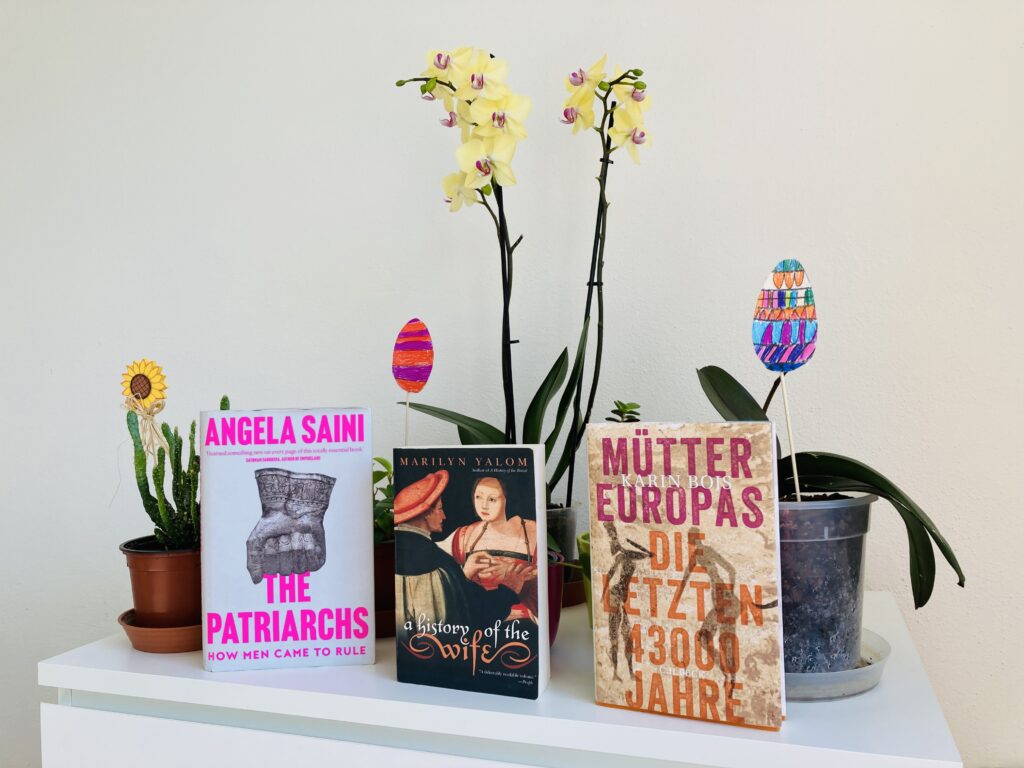
Recently I had the opportunity to interview Swedish journalist and bestselling author Karin Bojs about her book Mothers of Europe. Drawing on advances in archaeology, genetics, and anthropology, the book explores how early European societies were structured and how gender roles gradually evolved over thousands of years.
One of the most interesting insights from our discussion was the reminder that interpretations of the past are often shaped by the assumptions of the present. For decades, archaeologists interpreted prehistoric figurines of women, often called “Venus figurines,” as symbols of fertility or motherhood. Today, many scholars approach such conclusions with greater caution.
The truth is that we cannot know with certainty what these objects meant to the people who created them. They may have had religious significance, symbolic value, artistic meaning, or functions that we simply no longer understand. Recognizing the limits of our knowledge is an important part of historical thinking.
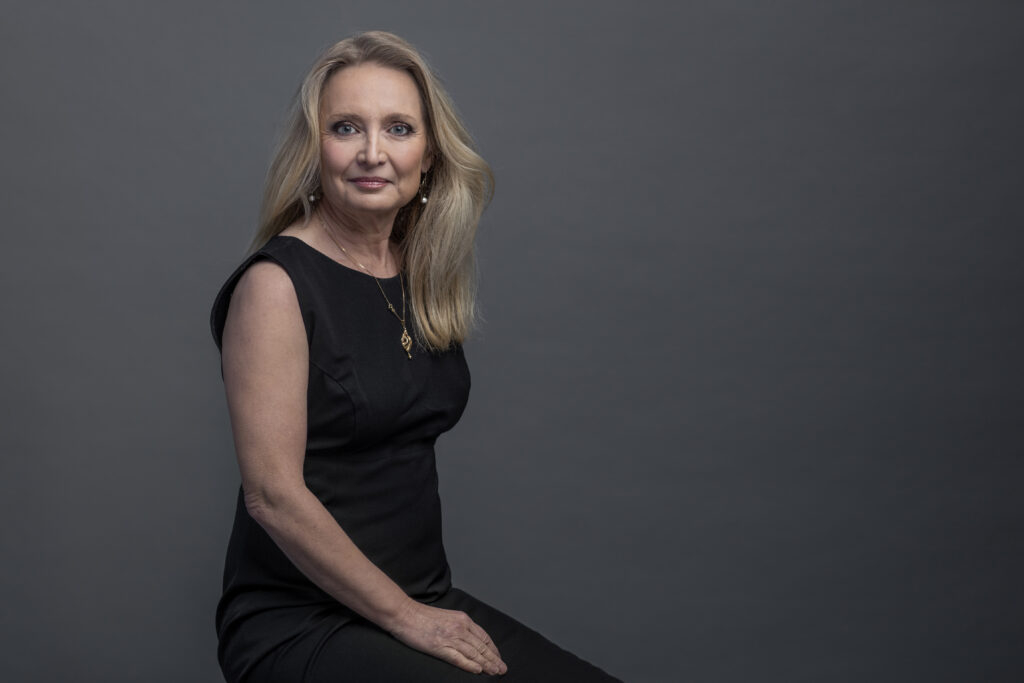
Photo: Thron Ullberg
Archaeological research suggests that for much of early human history, societies were relatively egalitarian in terms of material wealth. However, as we move closer to more recent history, particularly from around 5,000 BC onwards, social structures became increasingly hierarchical and patriarchal.
For a long time people thought that patriarchy came with agriculture, but evidence shows that early farming societies (such as Çatalhöyük in Turkey and Vinča in Serbia) were often matriarchal or didn’t place much emphasis on gender. What seems to be more probable is that patriarchy emerged with the advent of commercial trading, use of more sophisticated technology in agriculture, and most importantly, with urbanization in early Mesopotamia and the subsequent building of populations, armies and administration.
Understanding these long historical processes reminds us that the social arrangements we inherit today are not fixed or inevitable. They are products of historical change, and history remains open to further transformation.
Feminist Book Club
Together with my Austrian journalist friend Katharina Gruber, I started a feminist book club. The idea behind this initiative is simple. Reading can be a deeply personal experience, yet its most transformative potential often emerges through discussion. When people read together and exchange interpretations, literature becomes more than a source of information. It becomes a catalyst for dialogue.This book club has also inspired both Katharina and me to raise awareness about the origins of patriarchy in Europe in our respective countries. I published an interview on this topic in the Czech newspaper Deník N, while Katharina produced an audio documentary exploring the same theme. Both pieces are available in Czech and German for those interested in exploring the discussion further.
Feminist literature provides potent instruments for analyzing social structures that affect daily existence. It invites readers to question inherited assumptions and to reflect on how societies define opportunity, responsibility, and equality. In future editions of this newsletter, I will be sharing insights from the books we read, currently The Patriarchs: How Men Came to Rule by Angela Saini, and I hope to invite guest contributors to share short reflections on books that have shaped their thinking about justice, social change, and community building.
Have you ever considered starting a feminist book club with your friends? Just do it.
Feminist Community in Brno
For several years, while working on the Nature Solutionaries podcast, I interviewed activists from around the world, including feminists and conservationists whose work deeply inspired me. Those conversations were intellectually enriching and allowed me to learn from remarkable people working on social and environmental change in very different contexts. Yet over time, I began to realize something important. Producing online content and interviewing people across the world is valuable, but meaningful change also requires local engagement where people can meet, collaborate, and build relationships face to face.
This realization led me to explore the feminist landscape in my own country. I began by conducting 14 in-depth interviews with Czech feminists to better understand how the community functions, what challenges activists face, and what might help strengthen their work. Through these conversations, I learned a great deal about both the achievements and the gaps within the current landscape.
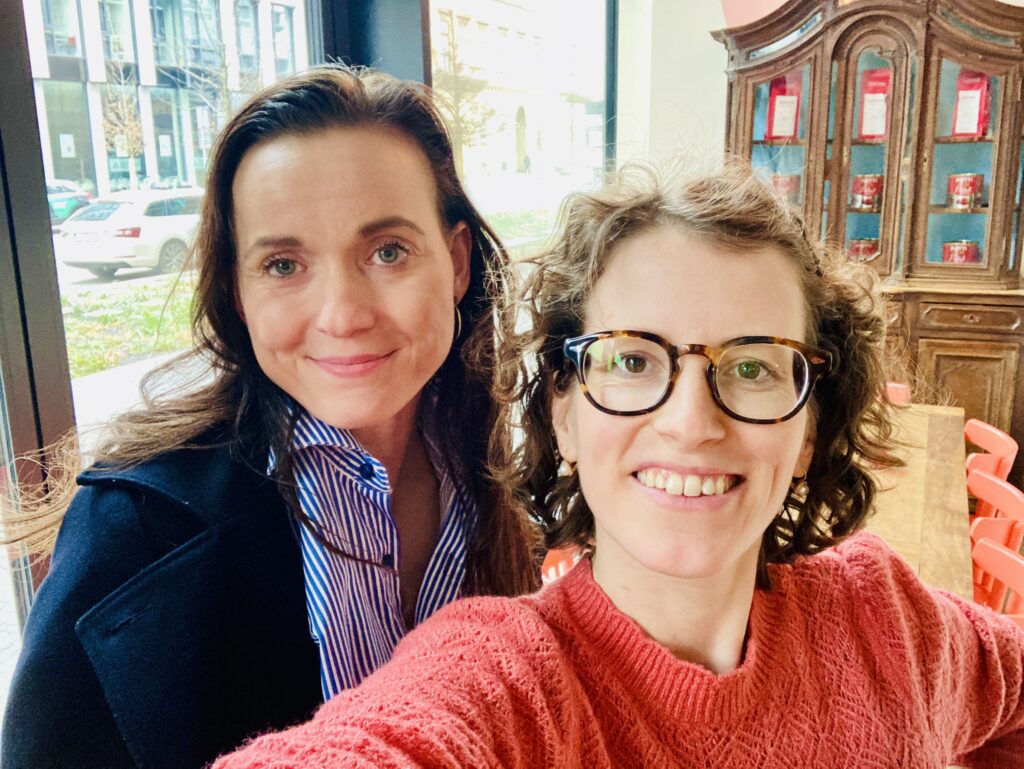
One insight appeared repeatedly in these discussions. What many feminists felt was missing was a regular space where people could meet, exchange ideas, and support each other’s work. While important initiatives and organizations exist, there is still a need for a more informal and consistent community where conversations and collaborations can naturally grow.
This is the motivation behind the small initiative I am beginning now in Brno. At the moment, around ten people have already expressed interest in joining the first gathering. Our first meeting in April will take the form of a focus group where participants can introduce themselves, share their experiences, and collectively explore what this community could become. It is only a beginning, but every meaningful community begins with a simple decision: to sit together, listen to one another, and imagine what could be built together.
You
Thoughtful conversations rarely end with a single article or newsletter. They continue through the reflections, questions, and experiences of the people who read them. If any of the ideas in this newsletter resonate with you, I would be very interested to hear your thoughts. Feel free to share your perspectives, experiences, or suggestions with me by connecting with me on LinkedIn. Meaningful communities are built through dialogue, and every thoughtful voice adds something valuable to the conversation.
Warmly,
Veronika Perková